

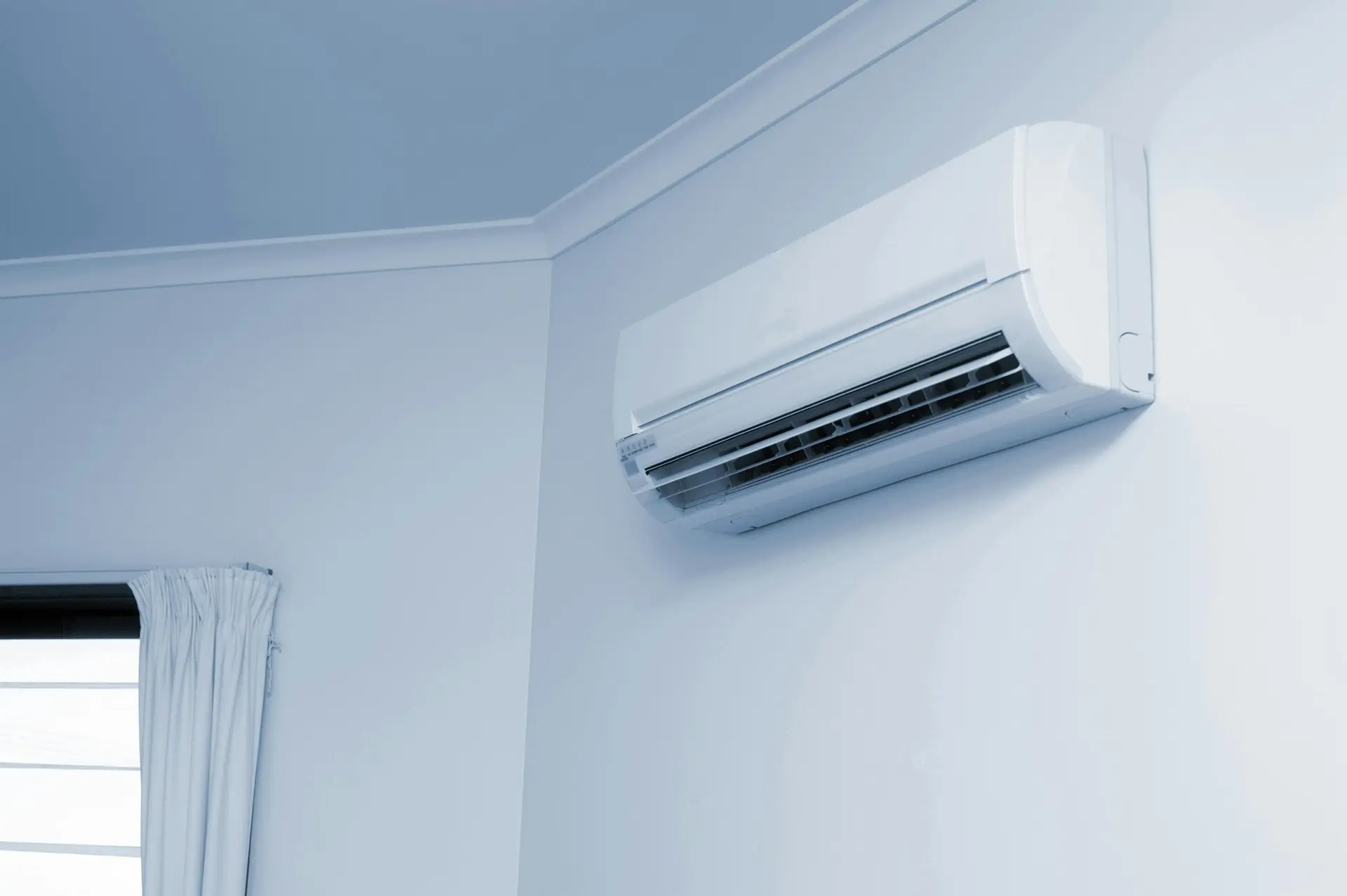
What Makes VRF Air Conditioning Stand Out
Variable Refrigerant Flow (VRF) air conditioning provides exceptional, multi-zone temperature control by finely adjusting refrigerant flow to match each area’s precise heating or cooling demand. It’s a proven solution where comfort, efficiency, and space constraints are key.
If you're dealing with high energy bills, inconsistent temperatures, or tight plantroom space, VRF technology offers an elegant and reliable answer. Intelligent inverter compressors and zoned control deliver performance that standard split or ducted systems simply cannot match.
What Is VRF Air Conditioning?
VRF (Variable Refrigerant Flow) systems regulate refrigerant to multiple indoor units so each zone receives exactly what it needs — no more, no less. The result is outstanding efficiency, flexible zoning, and excellent comfort levels.
Understanding Variable Refrigerant Flow
VRF continually adjusts refrigerant mass flow based on real-time zone demand. Instead of switching on and off, the compressor modulates smoothly, responding instantly to load changes.
VRF vs Daikin VRV – What’s the Difference?
Daikin’s VRV is simply the brand’s proprietary name for VRF technology. Core principles are identical — inverter compressors, multi-zone control, intelligent modulation — but software features and warranty structures differ.
Core Components of a VRF System
- Outdoor unit – contains compressors, control PCB, heat exchangers.
- Indoor units – wall-mounted, cassette, ducted or floor-standing designs.
- Refrigerant piping – engineered for pressure balance and efficient heat transfer.
- Branch controllers (BC boxes) – intelligently manage refrigerant distribution to each zone.
How the Inverter Compressor Saves Energy
Inverter compressors adjust speed precisely to match load instead of cycling. This typically cuts energy consumption by 30–55% and improves temperature stability throughout the building.
How VRF Systems Work
Zone thermostats communicate with the outdoor unit, which adjusts compressor output and valve positions inside the branch controllers. The result is perfectly matched refrigerant flow to every zone.
The Role of Outdoor and Indoor Units
- Outdoor units regulate pressure, heat rejection and overall system capacity.
- Indoor units treat air via coils, sensors and fans, maintaining the set temperature.
How Refrigerant Flow Enables Zoned Heating & Cooling
Refrigerant modulation allows independent zone control. Cooling zones absorb heat, while heating zones reuse this energy via heat-recovery — a major efficiency benefit.
Heat Recovery – True Simultaneous Heating & Cooling
Heat recovery VRF captures waste heat from cooling zones and redirects it to areas needing heating, dramatically reducing energy waste.
Branch Controllers – The System’s Brain
BC boxes regulate refrigerant distribution with precision. Proper commissioning ensures accurate flow, pressure balance, and long-term performance.
The Key Benefits of VRF Air Conditioning
- Energy Efficiency: Up to 30–55% savings versus older fixed-speed systems
- Zoned Comfort: ±0.5–1°C temperature stability
- Space Efficiency: Minimal ducting and compact plant requirements
- Quiet Operation: Indoor noise often below 30–40 dB(A)
| Benefit Area | Attribute | Typical Value |
|---|---|---|
| Energy Efficiency | Seasonal energy savings | Up to 30–55% |
| Comfort | Temperature stability | ±0.5–1.0 °C |
| Flexibility | Space requirement | Reduced ductwork + smaller plantrooms |
| Acoustics | Indoor noise | <30–40 dB(A) |
Design Flexibility & Space Savings
VRF is ideal for design-led projects with limited ceiling voids, mixed-use zones and varied architectural layouts. Indoor unit types can be mixed freely, enabling discreet and efficient installations.
Acoustic Performance
Modern VRF systems are impressively quiet. Outdoor noise can be reduced with acoustic screens and vibration isolation — essential for meeting planning requirements in dense parts of London.
Why Choose VRF for Your Project?
VRF offers the perfect balance of comfort, efficiency and flexibility. It's ideal for offices, apartments, retail, hospitality and high-spec residential environments.
Types of VRF Systems
- Heat Pump VRF: Cooling or heating mode only.
- Heat Recovery VRF: Simultaneous heating and cooling.
- Water-Cooled VRF: Ideal where rooftop space is limited.
- Hybrid VRF: Combines refrigerant and water loops to reduce indoor charge.
How VRF Compares to Traditional HVAC
| System Type | Energy Efficiency | Installation Complexity | Flexibility | Zoned Control |
|---|---|---|---|---|
| Traditional Split | Moderate | Low | Limited | Single-zone |
| Ducted System | Good | High | Medium | Limited |
| Chiller System | High (large buildings) | Very High | Good | Centralised |
| VRF System | Excellent (30–55% savings) | Moderate | Exceptional | Full per-zone control |
Installation & Commissioning – Getting It Right
Proper commissioning is essential for VRF performance. Airvana’s F-Gas certified teams follow strict processes:
- Pressure testing with OFN
- Vacuum to ≤ 500 microns
- Leak and balance testing
- Electronic commissioning logs for warranty validation
Essential Maintenance & Servicing
A typical Airvana VRF service includes:
- Filter cleaning or replacement
- Refrigerant pressure verification
- Drain pan and coil cleaning
- Electrical and controller inspections
- Firmware updates and diagnostics
The Future of VRF – Smarter, Greener, More Connected
VRF is rapidly evolving toward lower-GWP refrigerants such as R-32 and R-290, alongside full IoT connectivity for predictive maintenance, energy optimisation, and smart integrations like BMS platforms and Octopus Agile tariffs.
Why Choose Airvana for VRF Air Conditioning?
Airvana delivers complete end-to-end VRF solutions — from design and heat-load calculation to installation and lifecycle maintenance.
We work with Daikin, Mitsubishi and LG, ensuring every system meets the highest standards of performance and efficiency.